Considering skin pigmentation treatment? Ask safer questions about dark spots, melasma, skin tone, aftercare, and realistic goals.


Introduction
Skin pigmentation treatment can feel confusing because many concerns get grouped under one word: whitening. In reality, dark spots, melasma, sun damage, post-acne marks, friction-related discoloration, and uneven tone may need different plans. A safe consultation should begin by asking why the skin is darker in the first place.
Affiner offers Skin Pigmentation and Whitening, Pico Peak, and Laser services. This guide focuses on the questions that help keep expectations realistic and treatment decisions safer.
TLDR
Pigmentation treatment should not be sold as guaranteed whitening. The safest plan depends on the type of pigmentation, skin tone, triggers, sun exposure, irritation history, and aftercare. Ask what is being treated, why that approach is appropriate, and what results should not be expected.
Quick Answer
Before choosing a pigmentation treatment, ask what type of pigmentation you have, whether laser is appropriate, what aftercare is required, and what risks or limits apply to your skin.

Why Pigmentation Needs Assessment
Pigmentation can happen for different reasons. Common triggers include sun exposure, inflammation, acne, hormones, friction, shaving, product irritation, and previous procedures. Some pigment sits closer to the surface, while some concerns can be deeper or more reactive.
Melasma, for example, often needs extra caution because heat, light, irritation, and hormonal factors can affect recurrence. Post-inflammatory hyperpigmentation can also worsen if the skin is overtreated.
Safe Questions To Ask First
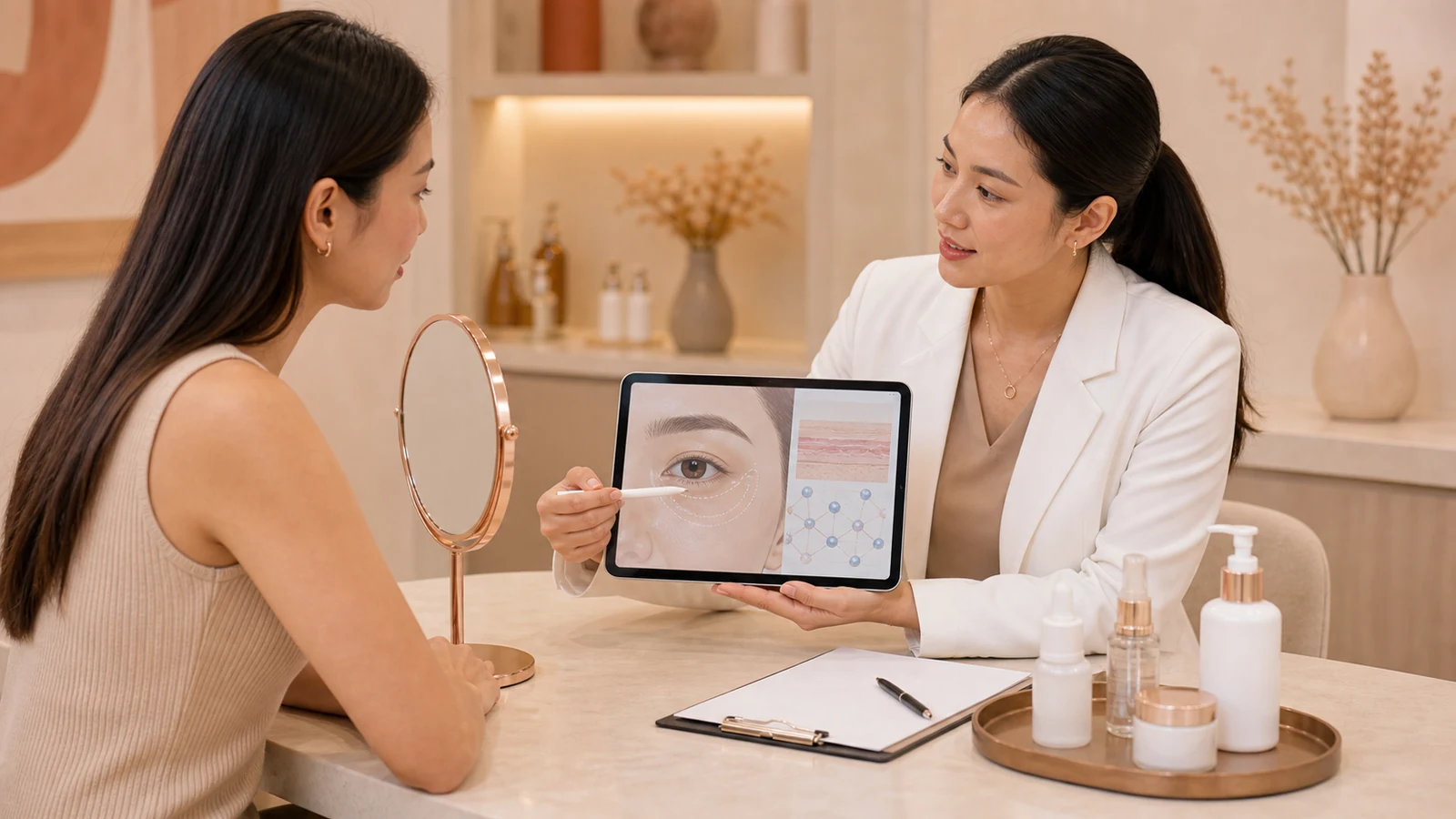
Bring these questions to consultation:
- What type of pigmentation do I have?
- Is this darkening from pigment, irritation, hair shadow, friction, or another cause?
- Is my skin currently calm enough for treatment?
- Is Pico Peak, laser, skincare, or another approach more appropriate?
- What should I avoid before and after treatment?
- How should I protect my skin from sun exposure?
- What improvement is realistic?
- What results should I not expect?
These questions help shift the conversation away from instant whitening and toward a safer plan.
Why Sun Protection Is Part Of Treatment
Pigmentation care does not end when the session ends. Sun exposure can trigger or deepen pigmentation, especially after procedures that make skin more sensitive. Aftercare may include sunscreen, gentle skincare, avoiding heat when advised, and pausing irritating actives.
If aftercare is skipped, results may be harder to maintain.
When Laser May Not Be The First Step
Laser is not automatically the right first choice for every dark spot or uneven tone concern. Treatment may need to wait if the skin is actively irritated, sunburned, inflamed, infected, recently waxed, or reacting to products.
For some people, calming the skin barrier and identifying triggers may come before device-based treatment.
What To Avoid
Be careful with:
- Strong home bleaching products without professional guidance
- Aggressive scrubbing
- Stacking too many acids or actives
- Treating active irritation
- Expecting one session to fix long-term pigmentation
- Comparing your skin to someone else’s result
Pigmentation care is personal because skin response is personal.
When To Consider Affiner
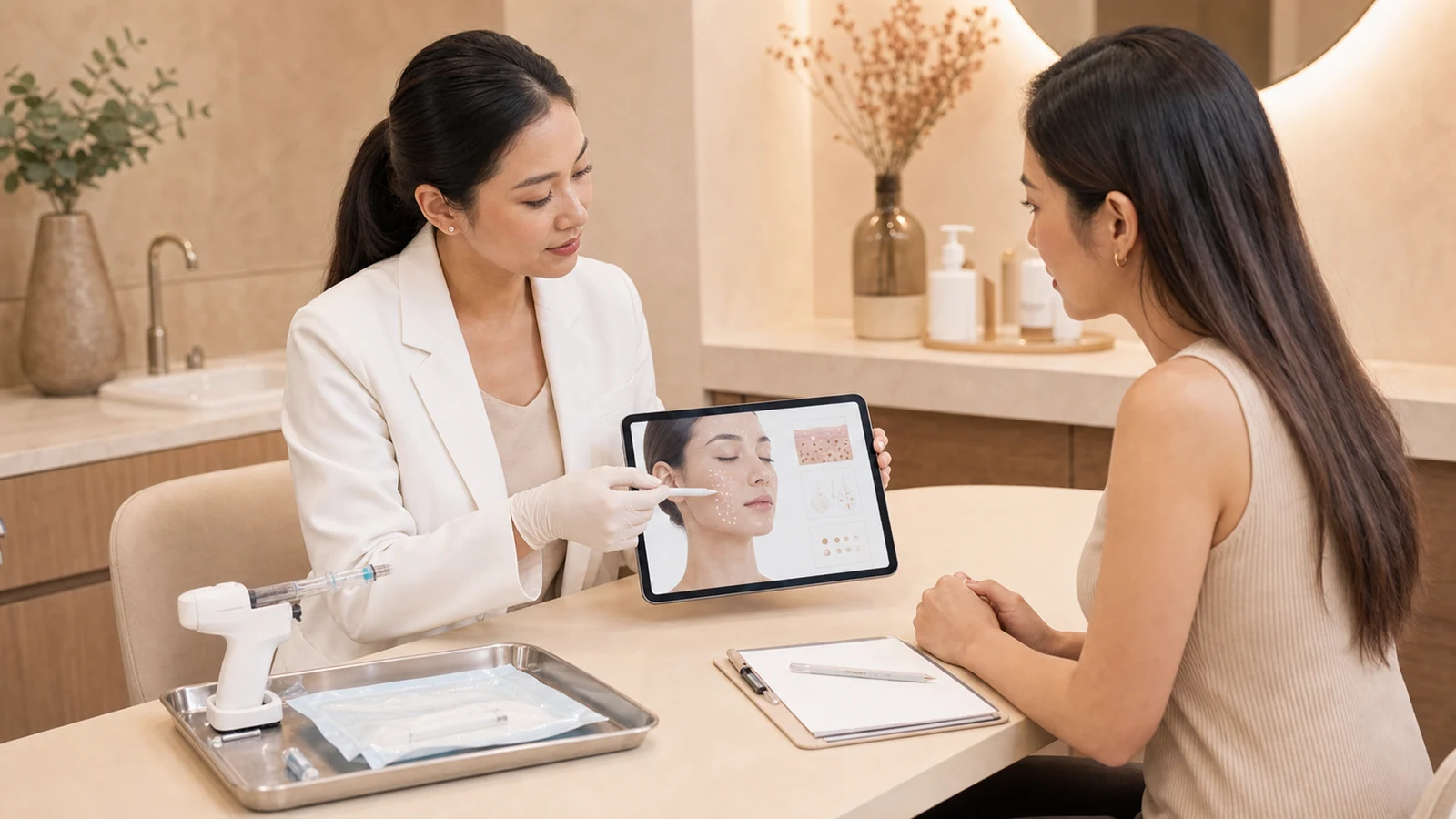
If dark spots, melasma-like patches, post-acne marks, or uneven tone are affecting your confidence, Affiner can assess whether Skin Pigmentation and Whitening, Pico Peak, Laser, or a staged plan is appropriate.
INQUIRE NOW to ask about a pigmentation consultation.
Sources
- Affiner Skin Pigmentation and Whitening service page
- Affiner Pico Peak service page
- Mayo Clinic laser resurfacing overview
- American Academy of Dermatology cosmetic treatment safety resources
FAQs
Can pigmentation treatment whiten skin permanently?
No treatment should be presented as guaranteed permanent whitening. Pigmentation can recur depending on sun exposure, irritation, hormones, friction, and aftercare.
Is laser good for all dark spots?
Not always. The cause and depth of pigmentation matter. Consultation helps determine whether laser is appropriate.
Can melasma be treated with laser?
Melasma needs careful assessment because it can recur or worsen with irritation, heat, or light exposure. A professional plan is important.
What should I do before treatment?
Avoid irritating the skin and follow the clinic’s instructions. Tell the clinic about recent sun exposure, active skincare ingredients, and previous reactions.