Diode laser may help reduce shaving-related ingrown hair for some people. Learn what to ask, what to expect, and when consultation is needed.


Introduction
If shaving keeps leaving you with bumps, irritation, or recurring ingrown hairs, you’re not alone — and there may be a longer-term option worth exploring.
Ingrown hairs have a way of becoming a frustrating, recurring problem. You shave, a hair curls back into the skin, a bump forms, the area gets irritated — and then it starts all over again the next time. For people dealing with this regularly, especially on areas like the underarms, legs, or bikini line, it stops feeling like a minor inconvenience and starts feeling like an unavoidable part of their routine.
Diode laser hair reduction is one option that some people explore when they’re looking for a way to reduce that cycle. By gradually reducing hair growth over a series of sessions, it can lessen the frequency of shaving — and with it, one of the main triggers for ingrown hairs in the first place.
That said, it’s not a guaranteed fix for everyone, and whether it’s the right fit for you depends on a proper assessment. Here’s what’s worth knowing before you book.
How Diode Laser May Help with Ingrown Hair
The logic is fairly straightforward: fewer hairs growing back means fewer opportunities for those hairs to curl inward and cause a bump. Diode laser targets the hair follicle over multiple sessions, progressively reducing regrowth in the treated area. For people whose ingrown hairs are primarily caused by frequent shaving or waxing, this can make a meaningful difference over time.
It’s important to be clear, though — laser hair reduction isn’t a cure for ingrown hairs in every case, and it doesn’t address ingrowns that are already present or infected. A consultation will help determine whether your situation is a good fit, and whether there’s anything that needs to be addressed before treatment begins.

What Can Affect Whether You’re Suitable for Treatment
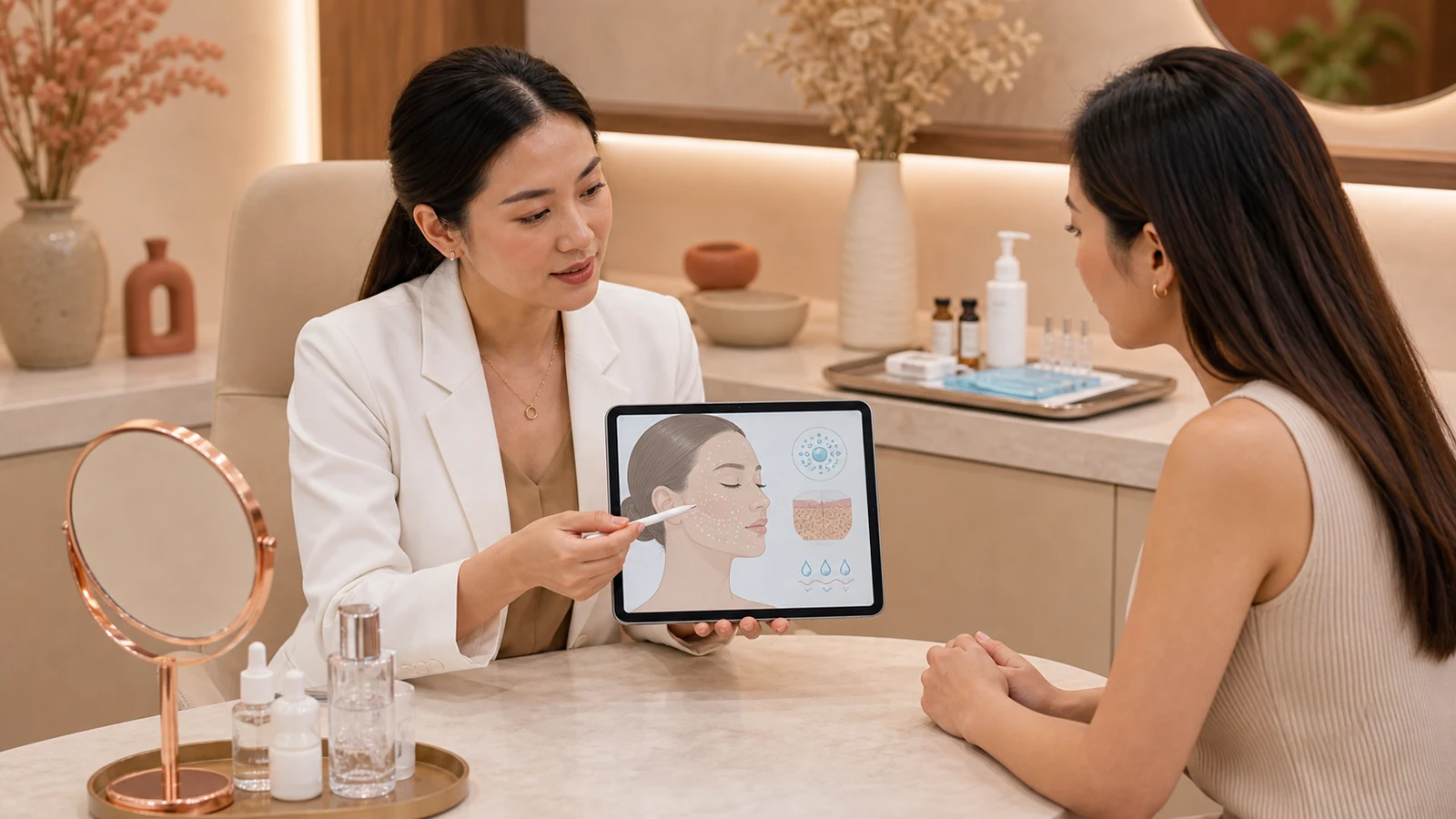
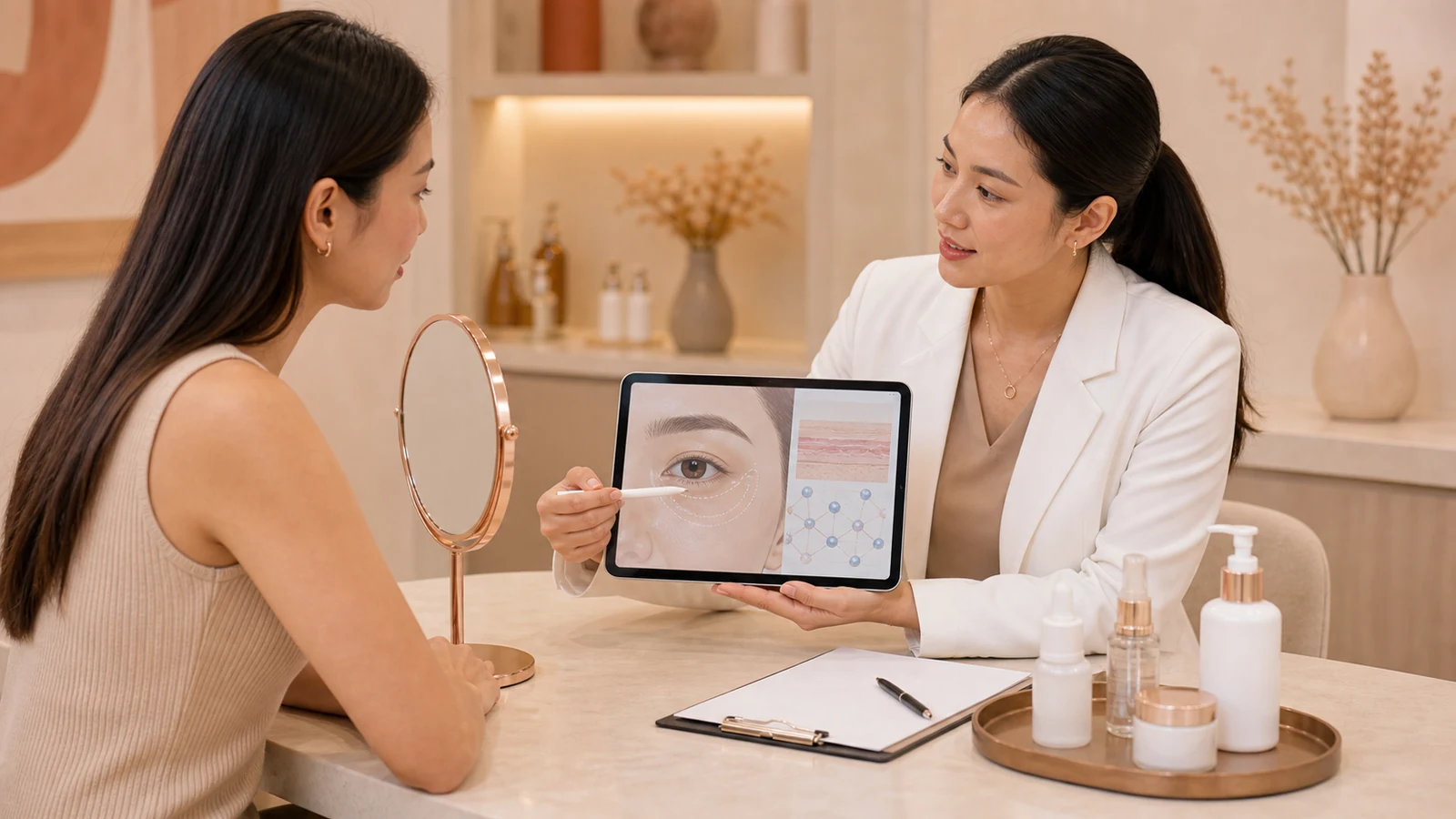
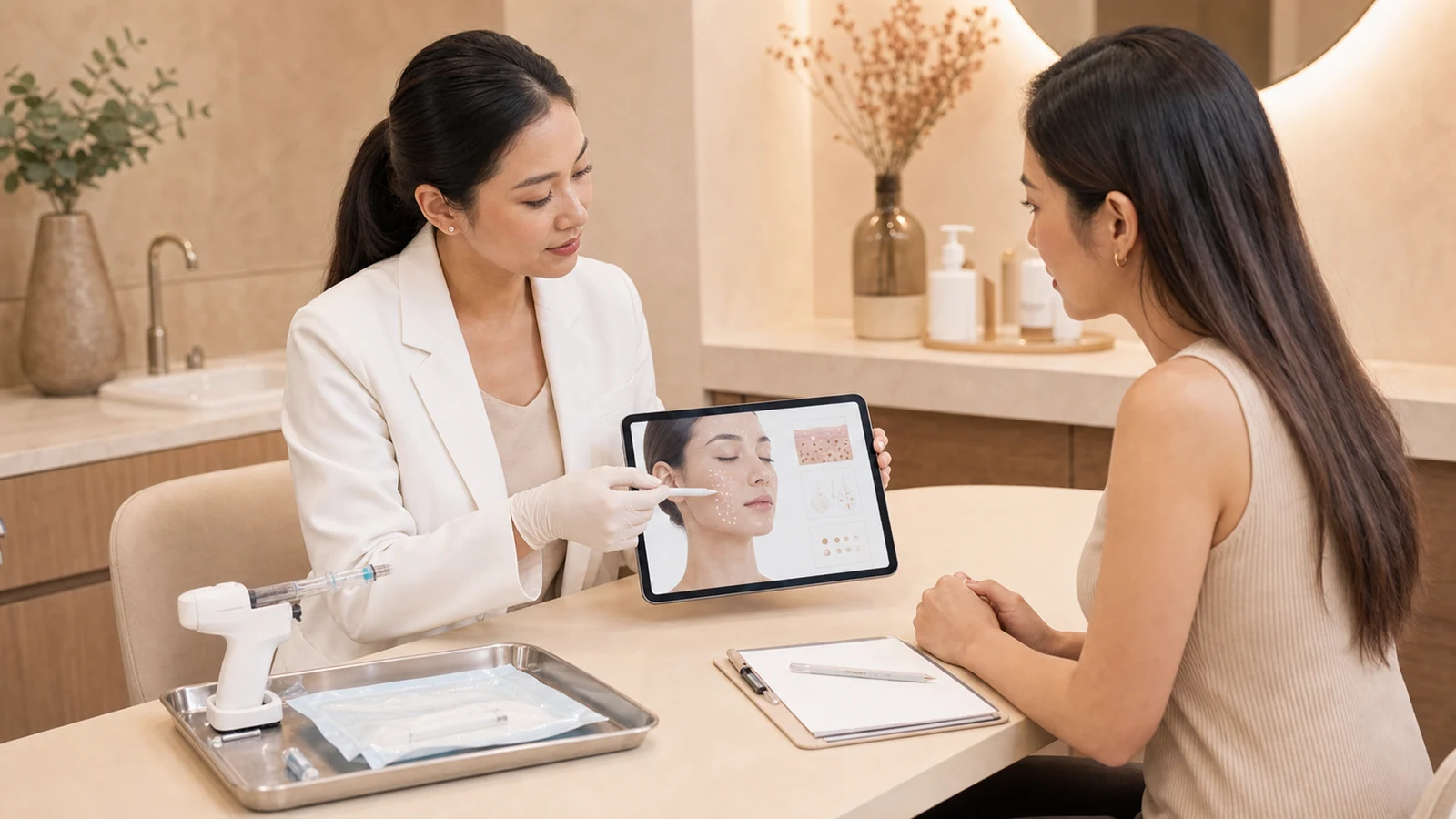
Several factors shape how diode laser works — and whether now is the right time for it. Your provider will look at things like:
Hair colour and thickness. Diode laser works by targeting the pigment in the hair follicle, which is why hair and skin contrast matters. Your provider will assess whether your hair type is likely to respond well.
Skin tone. Different laser settings are used for different skin tones. A thorough assessment ensures the device is calibrated safely for your skin.
Recent sun exposure or tanning. Tanned skin can be more sensitive to laser treatment, and most clinics will ask you to avoid sun exposure before and after your sessions. If you’ve recently been out in the sun, your provider may recommend waiting a little.
Active irritation, bumps, or suspected infection. This is an important one. If the area has inflamed, painful, or unusual bumps — especially ones that seem to be spreading or don’t heal on their own — those should be reviewed before any cosmetic laser treatment. A clinician can help determine whether what you’re dealing with is a standard ingrown hair or something that needs a different kind of attention first.
Medications. Some medications can affect skin sensitivity or healing, which may influence timing or approach. Let your clinic know about anything you’re currently taking.
What to ask before treatment
Going into a consultation with a few specific questions helps you get genuinely useful answers rather than a general overview. These are worth raising:
- Which areas are appropriate for treatment given my hair type and skin tone?
- How many sessions are typically needed for someone with my profile, and how far apart are they spaced?
- How do I prepare my skin in the days leading up to each session?
- What aftercare will help reduce irritation and support my skin between sessions?
- Is there anything about the bumps I currently have that should be assessed medically before we proceed?
Your provider should be able to walk you through all of this clearly — and if any part of the plan needs to change based on how your skin responds, they’ll explain why.
What may affect the plan
Hair color, hair thickness, skin tone, recent tanning, active irritation, and medications can all affect timing and suitability. The clinic should explain why a plan may be adjusted instead of treating every area the same way.
Questions to bring to Affiner
Beyond the treatment itself, it’s always worth taking a step back and asking the bigger-picture questions:
- Is diode laser the most appropriate service for my concern, or would another treatment be a better starting point?
- Is my skin in the right condition for treatment right now?
- What results are realistic for someone with my skin and hair type?
- What should I avoid before and after each session to protect my results?
- At what point should I contact the clinic between sessions if something doesn’t look or feel right?
FAQs
Can diode laser remove ingrown hair unchangingly?
It should not be promised that way. Laser hair removal reduces hair growth for many people, but individual response varies.
Can I shave before diode laser?
Many clinics ask patients to shave before sessions, but you should follow the clinic’s exact preparation instructions.
What if my bumps are painful?
Painful, draining, spreading, or unusual bumps should be reviewed before cosmetic treatment.
Sources
- Affiner Clinic – Diode
- Affiner Clinic – Laser
- American Academy of Dermatology – Laser hair removal: FAQs
Make an Appointment
If you are considering this treatment, schedule a consultation with Affiner Aesthetic Clinic so the team can assess your skin, explain suitability, and build a plan around your concern. Make an Appointment.