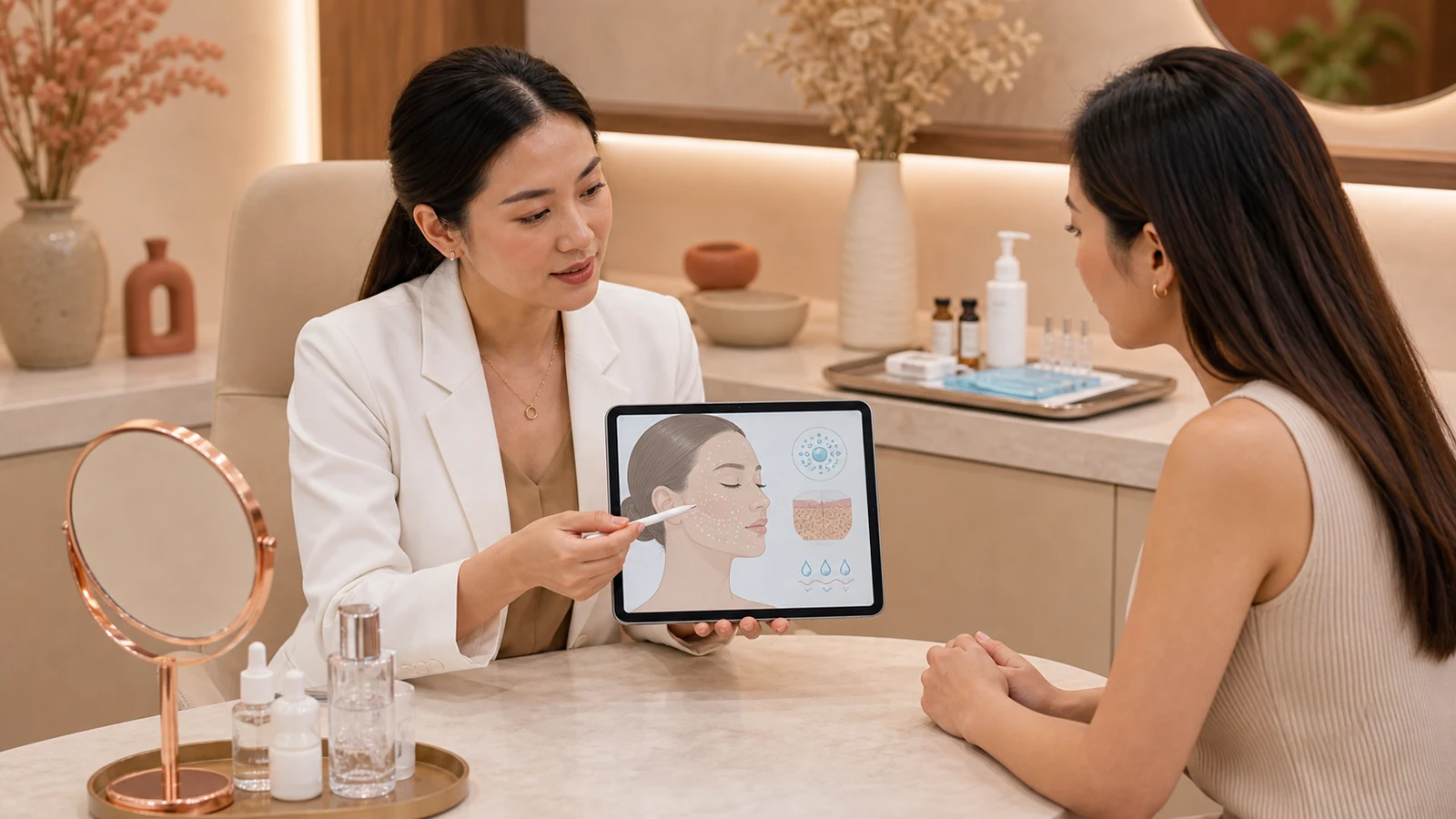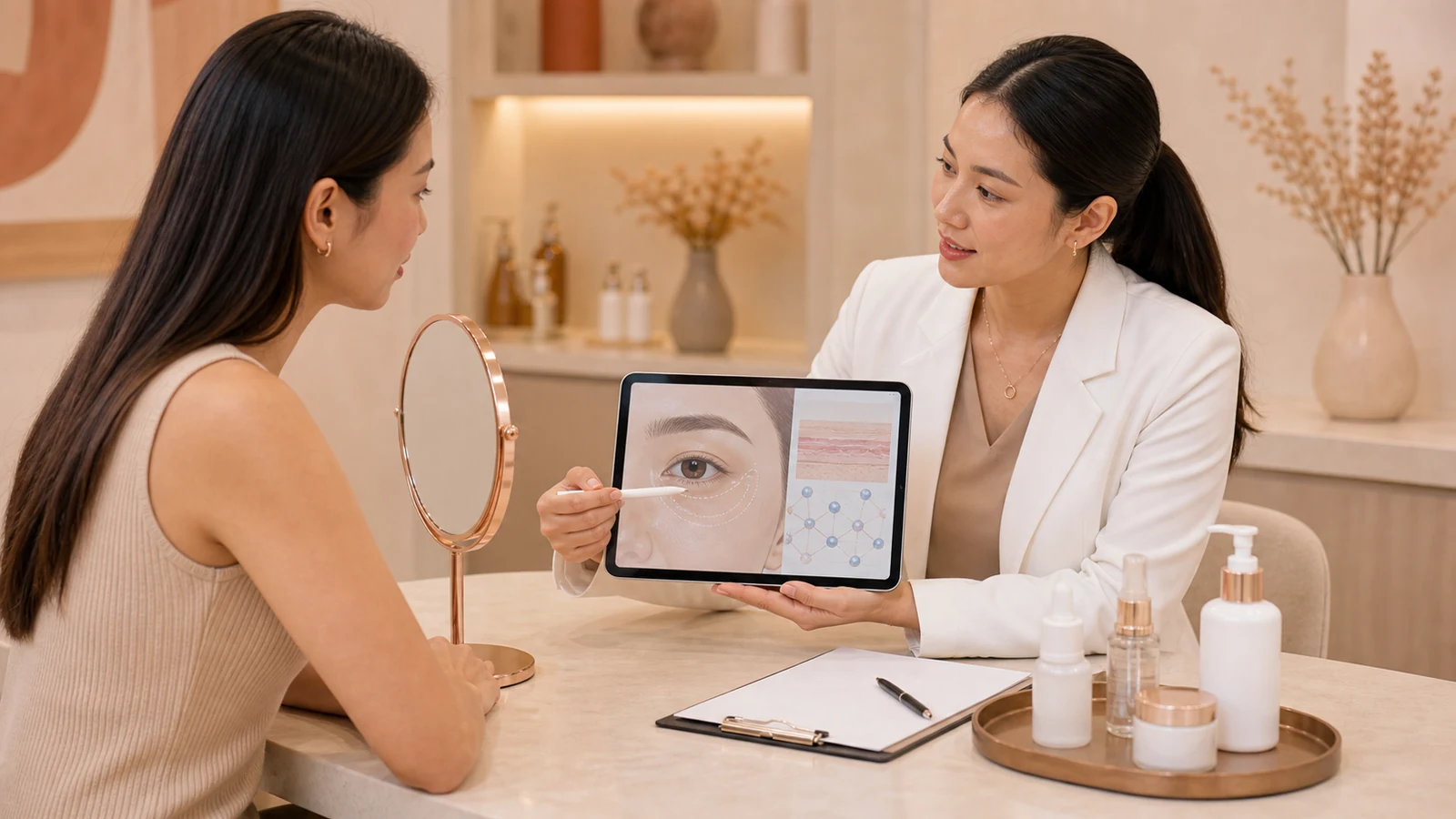
Pico Peak or laser facial rejuvenation? Learn the consultation questions that help match treatment to pigmentation, texture, and goals.


Introduction
When people compare Pico Peak and laser facial rejuvenation, the real question is usually not which one is better. The better question is: which concern are we treating? Pigmentation, dullness, acne marks, fine texture, and scars can overlap, but they do not always need the same approach.
Affiner offers Pico Peak, Laser, and Rejuvenation and Scar Management services. This guide helps you prepare for a consultation without assuming one treatment is automatically right for everyone.
TLDR
Pico Peak and laser rejuvenation conversations should be guided by your concern, skin tone, sensitivity, downtime tolerance, and aftercare. No single treatment should be presented as universally better for every skin goal.
Quick Answer
Ask whether your concern is mainly pigment, texture, scarring, dullness, or mixed. Then ask which treatment is appropriate for your skin and what risks, aftercare, and realistic limits apply.

Start With The Concern
Before asking for a specific device, clarify what bothers you most:
- Flat dark marks
- Uneven tone
- Dullness
- Acne scars
- Fine texture
- Enlarged-looking pores
- Sun damage
- A combination of concerns
This matters because pigment-focused and texture-focused concerns may respond differently.
Questions To Ask About Pico Peak
During consultation, ask:
- Is Pico Peak appropriate for my type of pigmentation or texture concern?
- What should I avoid before treatment?
- What aftercare is needed?
- How might my skin tone affect planning?
- What results should I not expect?
- Could this concern need more than one type of treatment?
These questions keep the conversation grounded in suitability instead of hype.
Questions To Ask About Laser Rejuvenation
For laser rejuvenation, ask:
- Is the goal brightness, texture, scar improvement, or general skin quality?
- What downtime or sensitivity should I expect?
- Is my skin currently calm enough for treatment?
- How should I prepare if I use active skincare?
- What risks apply to my skin tone?
- How will progress be reviewed?
Laser resurfacing and rejuvenation can involve different approaches, so the plan should be explained clearly.
When A Staged Plan May Make Sense
Some concerns need a staged plan. For example, active acne may need to be managed before scar-focused treatment. Pigmentation-prone skin may need careful preparation and sun protection. Sensitive skin may need barrier support before more active procedures.
Staging is not a delay for its own sake. It can help reduce avoidable irritation and set more realistic expectations.
What To Avoid In The Decision
Avoid choosing based only on:
- A trend name
- Someone else’s result
- A promise of instant change
- The idea that stronger always means better
- A single photo online
The right plan should match your skin, not just the treatment name.
When To Consider Affiner
If you are unsure whether your concern is pigmentation, texture, scarring, or dullness, Affiner can assess whether Pico Peak, Laser, Rejuvenation and Scar Management, or a staged plan fits your goals.
INQUIRE NOW to ask about a laser consultation.
Sources
- Affiner Pico Peak service page
- Affiner Laser service page
- Affiner Rejuvenation and Scar Management service page
- Mayo Clinic laser resurfacing overview
- American Academy of Dermatology cosmetic treatment safety resources
FAQs
Is Pico Peak better than laser rejuvenation?
Not automatically. The better choice depends on the concern, skin assessment, treatment settings, and aftercare.
Can one treatment handle pigment and texture?
Sometimes concerns overlap, but mixed concerns may need a staged or combined plan. A consultation should explain what is realistic.
Should I choose the strongest treatment?
Not necessarily. Stronger is not always safer or better, especially for sensitive or pigmentation-prone skin.
What should I bring up during consultation?
Mention skin sensitivity, recent procedures, active skincare, medications, sun exposure, and any history of pigmentation after irritation.