Plinest Polynucleotide Treatment: a truth-first Affiner guide for Zamboanga patients with evidence, safety questions, FAQs, and consultation notes.


Introduction
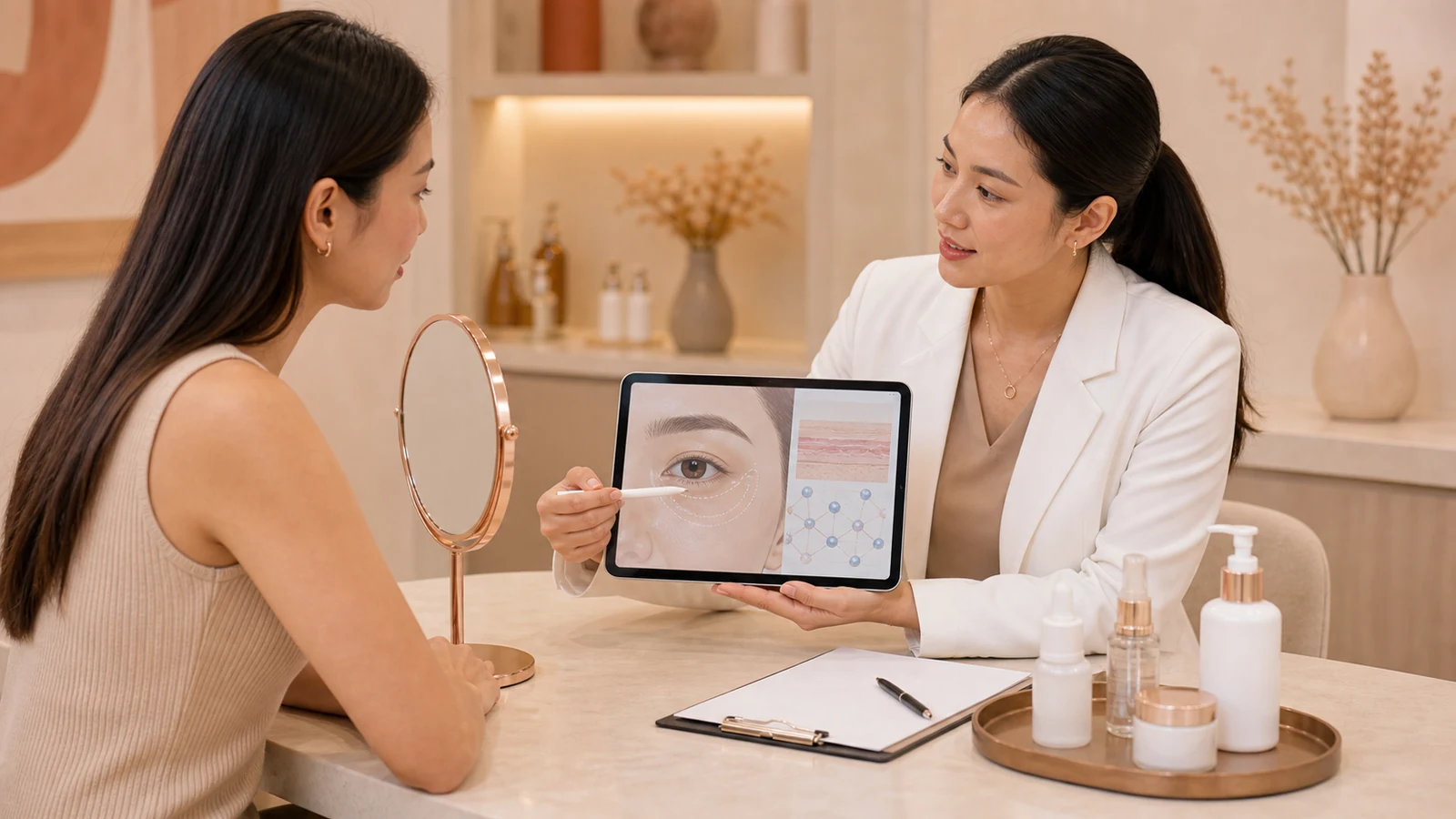
If you’ve been hearing the word “Plinest” or “polynucleotide treatment” and aren’t quite sure what it means, here’s the simple explanation: these treatments aren’t about adding volume or changing your facial shape, like fillers do. They’re about improving the quality of your skin itself — how hydrated it looks, how it bounces back when you pinch it, how smooth the texture feels, and how delicate areas like under your eyes hold up over time.
Whether a polynucleotide (PN) treatment like Plinest is right for you isn’t something a blog post can answer. That’s a conversation to have with your clinic, based on your skin, your history, and your goals.
Why We’re Writing About This
People don’t just search for treatments by name, they search for answers to real questions: Is this actually right for me? How does it compare to other options? What could go wrong? What should I ask before I book an appointment?
That’s the spirit of this post. We’re not here to oversell anything — we’re here to give you a plain-English starting point so that when you do sit down for a consultation at Affiner Aesthetic Clinic, you already know the right questions to ask.

So What Actually Is a Polynucleotide Treatment?
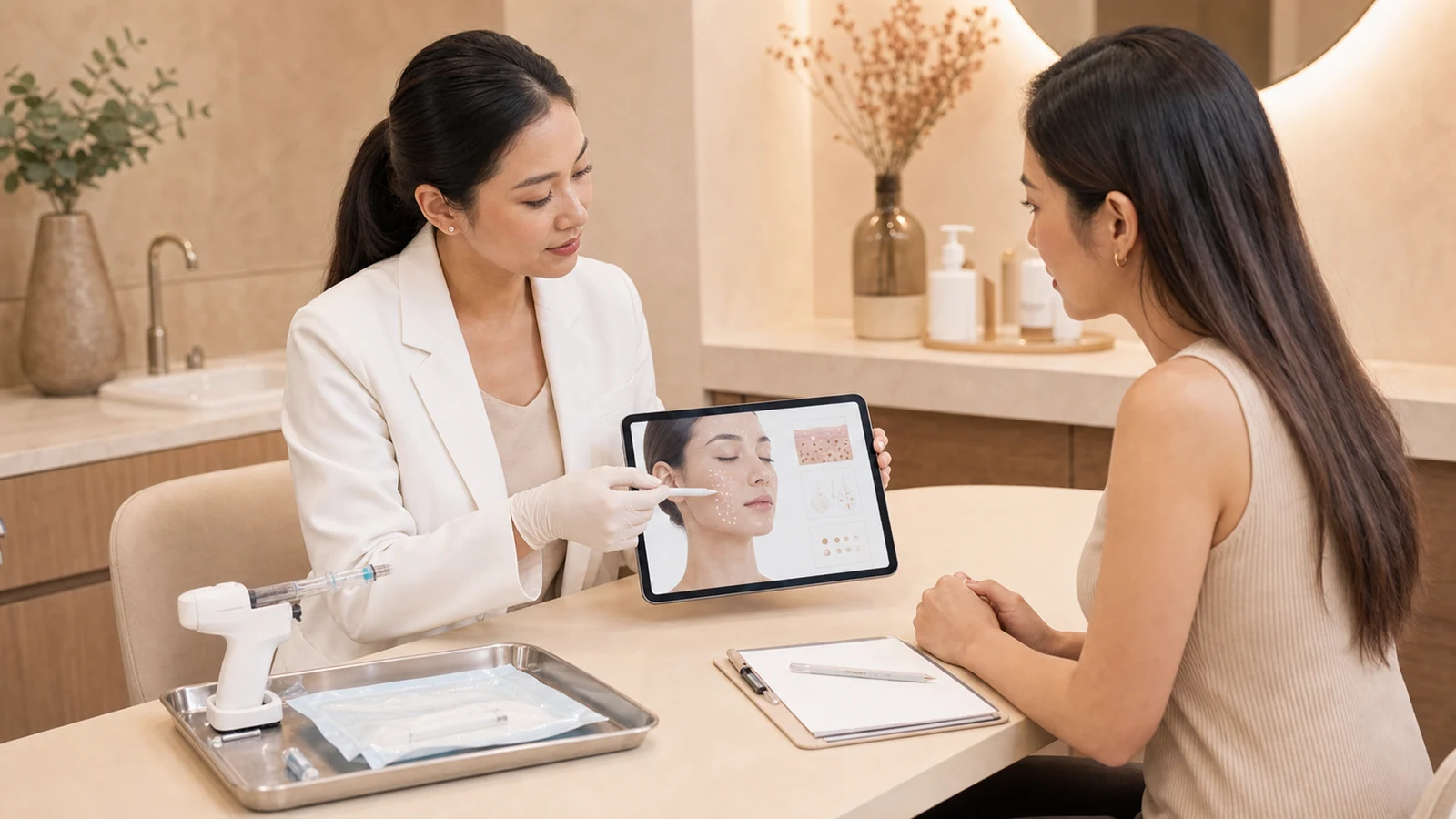
Polynucleotides are tiny fragments of DNA-derived material used in injectable treatments aimed at supporting the skin’s own repair and hydration processes. Plinest is one of the products in this category. Instead of physically filling in lines or adding structure the way dermal fillers do, PN treatments are generally discussed in terms of:
- Hydration — helping skin feel and look less dry or dehydrated
- Elasticity — supporting the skin’s ability to bounce back and resist sagging
- Texture — smoothing out roughness or unevenness
- Delicate areas — particularly around the eyes, where skin is thinner and shows wear early
Think of it less as “reshaping” and more as “reconditioning” — closer to a deep, targeted skin treatment than a sculpting one.
What Does the Research Actually Say?
This is the part we want to be honest about. The current research and official manufacturer information support cautious, measured language — not dramatic promises. You’ll typically see phrases like:
- “May help selected patients”
- “Is being studied”
- “Evidence is emerging”
- “Should be assessed in consultation”
That’s not us being vague for the sake of it — that’s genuinely where the science currently stands. There’s no fixed timeline that applies to everyone, no guarantee it works the same way for every skin type, and no single treatment that solves every skin concern. Any source — including this one — that promises otherwise should be looked at with some skepticism.
When we reference research or regulatory information, we try to lean on official manufacturer sources and PubMed-indexed clinical literature, since that’s where the more reliable, peer-reviewed information tends to live.
Who should slow down and ask more questions?
A good consultation isn’t just about saying yes to a treatment — it’s also about knowing when to pause. You may want to have a more detailed conversation with your provider first if any of the following apply to you:
- You have an active infection or unexplained skin changes
- You’re pregnant or breastfeeding
- You have a history of slow or poor healing
- You’ve had a recent procedure in the area
- You’re on new or changing medications
- You have known allergies relevant to injectable treatments
- You’re hoping for a specific, dramatic result rather than a general improvement in skin quality
None of these automatically rule treatment out. They just mean the conversation needs to go a little deeper, and a good clinic should welcome that rather than rush past it.
Questions to ask at Affiner
- Am I a suitable candidate for this treatment?
- What concern are we treating, and what result is realistic?
- What evidence supports this option for my concern?
- What side effects or recovery issues should I expect?
- What should make us postpone or choose another plan?
FAQs
Is Plinest a filler?
It should not be positioned like a volume filler. Polynucleotide treatments are usually discussed around skin quality.
Can Plinest be used under the eyes?
Periorbital treatment needs careful assessment because the area is delicate.
How should results be framed?
As patient-dependent skin-quality changes, not dramatic reshaping or a fixed outcome.
Sources
- PubMed – Real-life assessment of injectable PN HPT including Plinest
- PubMed – Expert perspectives on polynucleotides in aesthetic medicine
- PubMed – Polynucleotide injections for periorbital rhytides
- Affiner Aesthetic Clinic – Contact
Schedule Appointment
If this treatment sounds relevant to your concern, schedule a consultation with Affiner Aesthetic Clinic. Bring your goals, medical history, recent treatments, and current skincare list so the team can decide what is appropriate for you. Schedule Appointment.